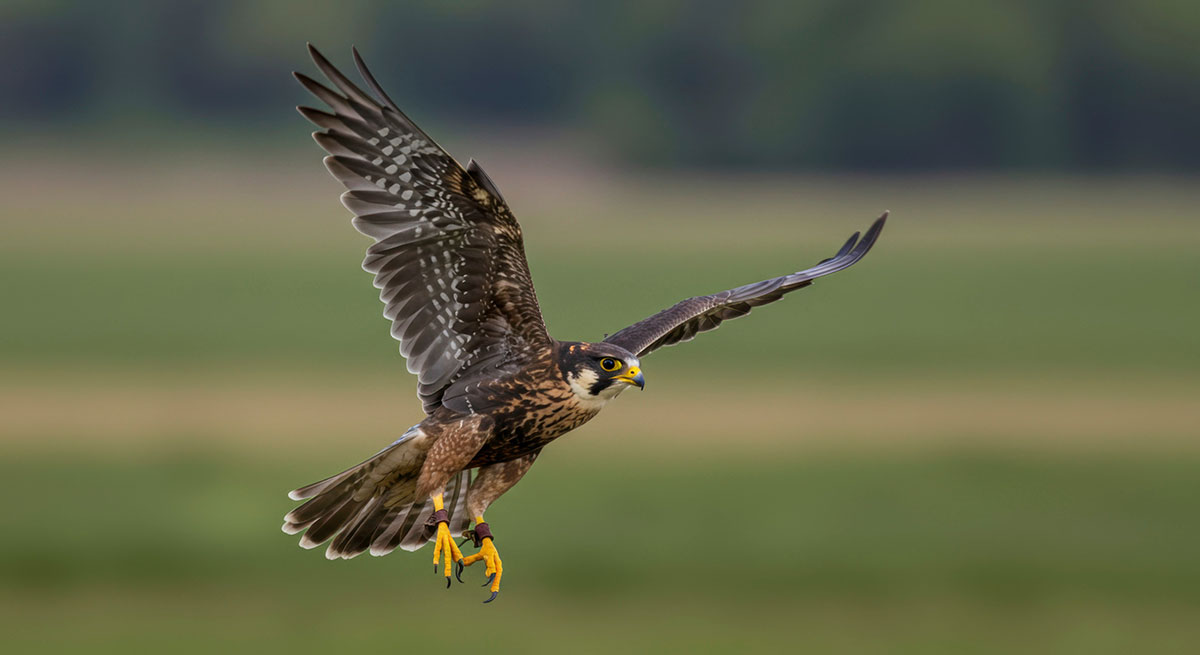
As a falconer and conservationist in Georgia, I have spent decades observing raptors in flight. Hawks, falcons, and eagles have always followed the rhythms of the seasons, migrating at precise times, stopping at familiar resting points, and returning to the same nesting areas year after year. Yet in recent years, I have noticed subtle but significant changes. Birds are arriving earlier or later than expected. Some are altering their routes. Others are struggling to find the food and conditions they need to survive. Climate change is reshaping their world.
Raptors are highly sensitive to environmental changes. Their survival depends on a delicate balance of temperature, wind patterns, prey availability, and habitat conditions. Even small shifts in weather can have cascading effects on their migration and breeding success. Observing these changes firsthand has made me deeply aware of the urgency of understanding and addressing climate impacts.
Changes in Migration Patterns
One of the most visible effects of climate change on raptors is the alteration of migration patterns. Many species rely on seasonal cues, such as temperature changes and daylight length, to begin their long journeys. When these cues shift, the timing of migration can be disrupted.
For example, in Georgia, I have seen common buzzards and lesser kestrels arriving weeks earlier or later than they did twenty years ago. This mismatch can affect breeding success, as the birds may arrive before their prey is abundant or after nesting conditions are optimal. Migratory stopover sites that once provided reliable food and shelter may no longer support the birds due to changing vegetation or insect populations.
Raptors that migrate over long distances, crossing continents and oceans, are particularly vulnerable. Altered wind patterns, rising temperatures, and extreme weather events can make traditional routes more dangerous or energetically costly. In some cases, young birds attempting migration for the first time face increased mortality because they are unfamiliar with new conditions and must adapt quickly to survive.
Food Availability and Habitat Stress
Climate change affects not only weather patterns but also the ecosystems that support raptors. Prey species, such as rodents, small birds, and insects, are influenced by temperature, precipitation, and seasonal cycles. When these species decline or shift their ranges, raptors must adapt or face starvation.
I have observed falcons in the Caucasus struggling to find enough prey during unusually dry or wet seasons. Eagles hunting over rivers sometimes find fish populations diminished due to warmer waters or altered flows. These changes challenge even experienced hunters and force birds to expend more energy to survive. The consequences ripple through populations, affecting reproduction, survival rates, and long-term viability.
Extreme Weather Events
In addition to gradual shifts, extreme weather events are becoming more frequent and intense. Storms, heatwaves, and unseasonal cold snaps can be deadly for migrating raptors. Birds caught in unexpected storms may be forced to land in unfamiliar territory, risk exhaustion, or even perish. Nesting birds may lose eggs or chicks due to heavy rain or flooding.
Falconers who follow these birds closely often witness the immediate impact. A sudden snowstorm or storm surge can change the behavior of raptors, forcing them to seek new feeding grounds or shelter. These events remind us that climate change is not a distant threat; it is affecting wildlife today, altering behaviors that have remained stable for generations.
The Role of Monitoring and Research
Understanding these changes requires careful observation and research. Falconers contribute significantly by providing long-term data based on field experience. By tracking the timing, routes, and behavior of raptors, we can document trends and identify areas of concern.
Modern technology, such as satellite tracking and GPS tagging, has revolutionized our ability to monitor migration. When combined with traditional knowledge from falconers, researchers can create comprehensive models of how climate change affects raptors across continents. This information helps guide conservation efforts, such as identifying critical habitats, planning protected areas, and supporting species at risk.
Education and Awareness
Climate change is not only a scientific challenge but also an opportunity to educate the public. Falcons, hawks, and eagles captivate people with their beauty and skill, making them ideal ambassadors for environmental awareness. By sharing observations about changing migration patterns and habitat challenges, we can inspire action to protect raptors and their ecosystems.
In schools and community programs, I teach children and young falconers how shifts in weather affect the birds they admire. By connecting the science of climate change to the experience of observing raptors in flight, we make the issue tangible and personal. Awareness leads to understanding, and understanding leads to stewardship.
Adapting Conservation Strategies
Conservation efforts must adapt to these new realities. Protecting traditional nesting and stopover sites remains essential, but we must also anticipate changes in migration routes and feeding grounds. Habitat restoration, protection of prey species, and careful monitoring of populations are all crucial strategies.
Falconry itself can play a role in adaptation. Birds trained in falconry are often used in rehabilitation programs, helping to strengthen wild populations. Falconers contribute to conservation by monitoring local raptors, participating in research, and educating communities about sustainable practices. By bridging tradition and modern science, falconry becomes a tool for resilience in a changing world.
Conclusion
Raptors are sentinels of the natural world. Their movements reflect the health of ecosystems and the impact of climate change. By observing changes in migration, behavior, and survival, we gain insight into broader environmental shifts.
As a falconer, I feel a deep responsibility to protect these birds. The lessons they teach—patience, observation, and respect—extend beyond falconry and into the realm of conservation. By combining traditional knowledge with modern research, we can better understand how climate change affects raptors and work to safeguard their future.
Watching a falcon soar above the Caucasus mountains reminds me that every flight is a journey shaped by nature and human stewardship. If we act wisely, we can ensure that these magnificent birds continue to grace our skies for generations to come.